Mace
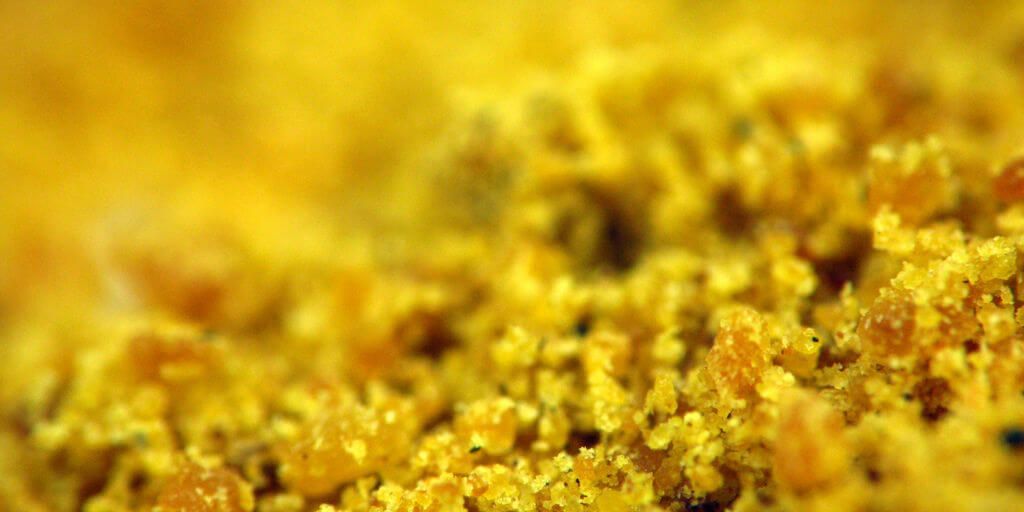
The Origin of Mace
When looking for mace supplements, you may see that nutmeg appears quite often. Because mace and nutmeg are derived from the same plant, Myristica fragrans, they are often used interchangeably. Nutmeg is the dried, shelled seed of Myristica fragrans, whereas mace is derived from the dried covering of the seed's shell. Because nutmeg has a history of being abused as a psychoactive drug, it isn't used as widely as mace in medicinal preparations.
Mace Active Ingredients
Mace's main constituent is 7-9% of a volatile oil, along with resins, protein, gum, fixed oils and sugar. The volatile oil contains myristicin, geraniol and pinene. These compounds are responsible for mace's medicinal effects.
Dosage Limits
Because of the high concentrations of these volatile oil compounds, it is recommended to never take more than 1 teaspoon of mace at any given time.
Health Benefits
A few of the most well known health benefits of Mace are listed below.
Digestive Health
A common mixture known to ease indigestion, gas and nausea is a tea made of slippery elm bark, mace and nutmeg which are combined with cream and boiled, then drank when lukewarm. If a capsule is preferred, one 200mg capsule can be taken twice per day until the diarrhea subsides.
Alleviates Anxiety and Depression
Mace also offers mild anti-anxiety and sedative properties. Researchers made the conclusion that these affects arise from the activation of the neurotransmitters dopamine and serotonin.
Pain Relief
Mace has been used for centuries in Chinese medicine as a topical pain relieving massage oil.
Breath Freshener
Mace is highly effective at combating bad breath because of its antibacterial properties. By adding a very slight pinch to your toothbrush when brushing your teeth, it can destroy the bacteria that cause bad breath.
Đăng ký bản tin của chúng tôi
Bạn thích bài viết này? Tham gia The WomenLoveHerbs Weekly — một loại thảo dược, một nghi thức, một góc nhìn mới mỗi thứ Ba, miễn phí.