10 Delicious Herbs and Spices With Powerful Health for Women
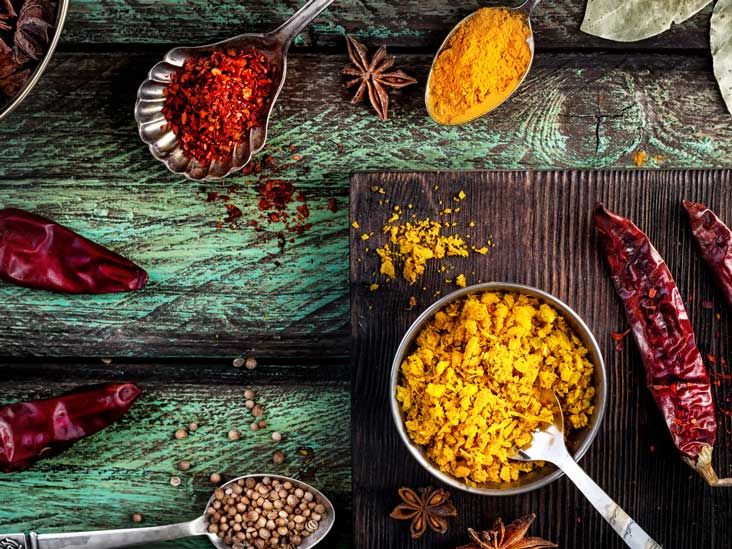
The use of herbs and spices has been incredibly important throughout history.
Many were celebrated for their medicinal properties, well before culinary use.
Modern science has now shown that many of them do indeed carry remarkable health benefits.
Here are 10 of the world’s healthiest herbs and spices, supported by research.
1. Cinnamon
Cinnamon is a popular spice, found in all sorts of recipes and baked goods.
It contains a compound called cinnamaldehyde, which is responsible for cinnamon’s medicinal properties
Cinnamon has potent antioxidant activity, helps fight inflammation and has been shown to lower cholesterol and triglycerides in the blood
But where cinnamon really shines is in its effects on blood sugar levels.
The effective dose is typically 0.5-2 teaspoons of cinnamon per day, or 1-6 grams.
2. Sage
Sage gets its name from the Latin word Salvere, which means “to save.”
Alzheimer’s disease is accompanied by a drop in the level of acetylcholine, a chemical messenger in the brain. Sage inhibits the breakdown of acetylcholine.
Other studies have also shown that sage can improve memory function in healthy people, both young and old.
3. Peppermint
Peppermint has a long history of use in folk medicine and aromatherapy.
As is the case with many herbs, it is the oily component that contains the agents responsible for the health effects.
It appears to work by relaxing the smooth muscles in the colon, which relieves pain experienced during bowel movements. It also helps to reduce abdominal bloating, which is a common digestive symptom.
There are also some studies showing that peppermint in aromatherapy can help fight nausea.
In a study of over 1,100 women in labor, peppermint aromatherapy caused significant reductions in nausea. It has also been shown to reduce nausea after surgery and C-section births.
It also has potent anti-nausea effects when used in aromatherapy.
4. Turmeric
Turmeric is the spice that gives curry its yellow color.
It contains several compounds with medicinal properties, the most important of which is curcumin.
Curcumin is a remarkably powerful antioxidant, helping to fight oxidative damage and boosting the body’s own antioxidant enzymes.
This is important, because oxidative damage is believed to be one of the key mechanisms behind ageing and many diseases.
Given that long-term, low-level inflammation plays a major role in almost every chronic Western disease, it is not suprising to see that curcumin is linked to a variety of health benefits.
Bottom Line: Studies have shown that curcumin, the active ingredient in the spice turmeric, has major benefits for many aspects of health.
5. Holy Basil
Not to be confused with regular basil or thai basil, holy basil is considered a sacred herb in India.
Studies show that holy basil can inhibit the growth of a range of bacteria, yeasts and molds.
One small study also found that it can boost function of the immune system by increasing certain immune cells in the blood.
However, these studies were quite small, and more research is needed before any recommendations can be made.
Bottom Line: Holy basil appears to improve immune function and inhibit the growth of bacteria, yeasts and molds.
6. Cayenne Pepper
Cayenne pepper is a type of chili pepper used to prepare spicy dishes.
The active ingredient in it is called capsaicin, which has been shown to reduce appetite and increase fat burning in many studies
For this reason, it is a common ingredient in many commercial weight loss supplements.
One study found that adding 1 gram of red pepper to meals reduced appetite and increased fat burning in people who did not regularly eat peppers.
However, there was no effect in people who were accustomed to eating spicy food, indicating that a tolerance to the effects can build up.
Of course, these observed anti-cancer effects are far from being proven in humans, so take all of this with a big grain of sail
Bottom Line: Cayenne pepper is very rich in a substance called capsaicin, which reduces appetite and boosts fat burning.
7. Ginger
Ginger is a popular spice used in several forms of alternative medicine.
This includes nausea caused by morning sickness, chemotherapy and sea sickness.
Ginger also appears to have strong anti-inflammatory properties, and can help with pain management.
It had a similar effectiveness as treatment with aspirin or ibuprofen.
It is also anti-inflammatory, and can help reduce pain.
8. Fenugreek Improves Blood Sugar Control
Fenugreek was commonly used in Ayurveda, particularly to enhance libido and masculinity.
While its effects on testosterone levels are inconclusive, fenugreek does seem to have on blood sugar.
It contains the plant protein 4-hydroxyisoleucine, which can improve the function of the hormone insulin
9. Rosemary
The active ingredient in rosemary is called rosmarinic acid.
This substance has been shown to suppress allergic responses and nasal congestion.
In a study with 29 individuals, both 50 and 200 mg doses of Rosmarinic acid were shown to suppress allergy symptoms
The number of immune cells in nasal mucus also decreased, with reduced congestion.
Bottom Line: Rosmarinic acid has anti-inflammatory effects that appear to suppress allergy symptoms and reduce nasal congestion.
10. Garlic
Throughout ancient history, the main use of garlic was for its medicinal properties
We now know that most of these health effects are due to a compound called allicin, which is also responsible for garlic’s distinct smell.
If you often get colds, then adding more garlic to your diet could be incredibly helpful.
There is also convincing evidence for beneficial effects on heart health.
Disclaimer: I’m not a doctor. All information is intended for your general knowledge only and is not a substitute for medical advice or treatment for specific medical conditions. You are responsible for your own health and for the use of any remedies, treatments, or medications you use at home. Herbs are powerful medicine. You should always speak to your health provider before ingesting any herb, especially if you are pregnant, breast-feeding, or on any other medications.
Đăng ký bản tin của chúng tôi
Bạn thích bài viết này? Tham gia The WomenLoveHerbs Weekly — một loại thảo dược, một nghi thức, một góc nhìn mới mỗi thứ Ba, miễn phí.