Before Your Period (Luteal Phase), the TCM Way: Keep Qi Moving
The week before your period has a reputation — and in many homes, a warning system. Small things irritate, the body feels tight and tender, the snack drawer calls. In our cycle series we picture the month as four small seasons; this is its late autumn, the phase where everything depends on keeping things moving — kindly, and on purpose.
What TCM sees in this phase
In TCM, this luteal phase is Yang's high season: warmth and energy are plentiful, and the body's Qi should be flowing freely toward the period ahead. The traditional explanation for the familiar premenstrual cluster — tension, irritability, breast tenderness, cravings, a heavy mood — is Liver Qi stagnation: energy that wants to move, meeting a body too tired, too seated, or too stressed to let it. Whether or not you use that language, the remedy tradition offers is gentle and practical: keep Qi moving with motion and warmth, and stop adding pressure to a system already full.
Eat & sip
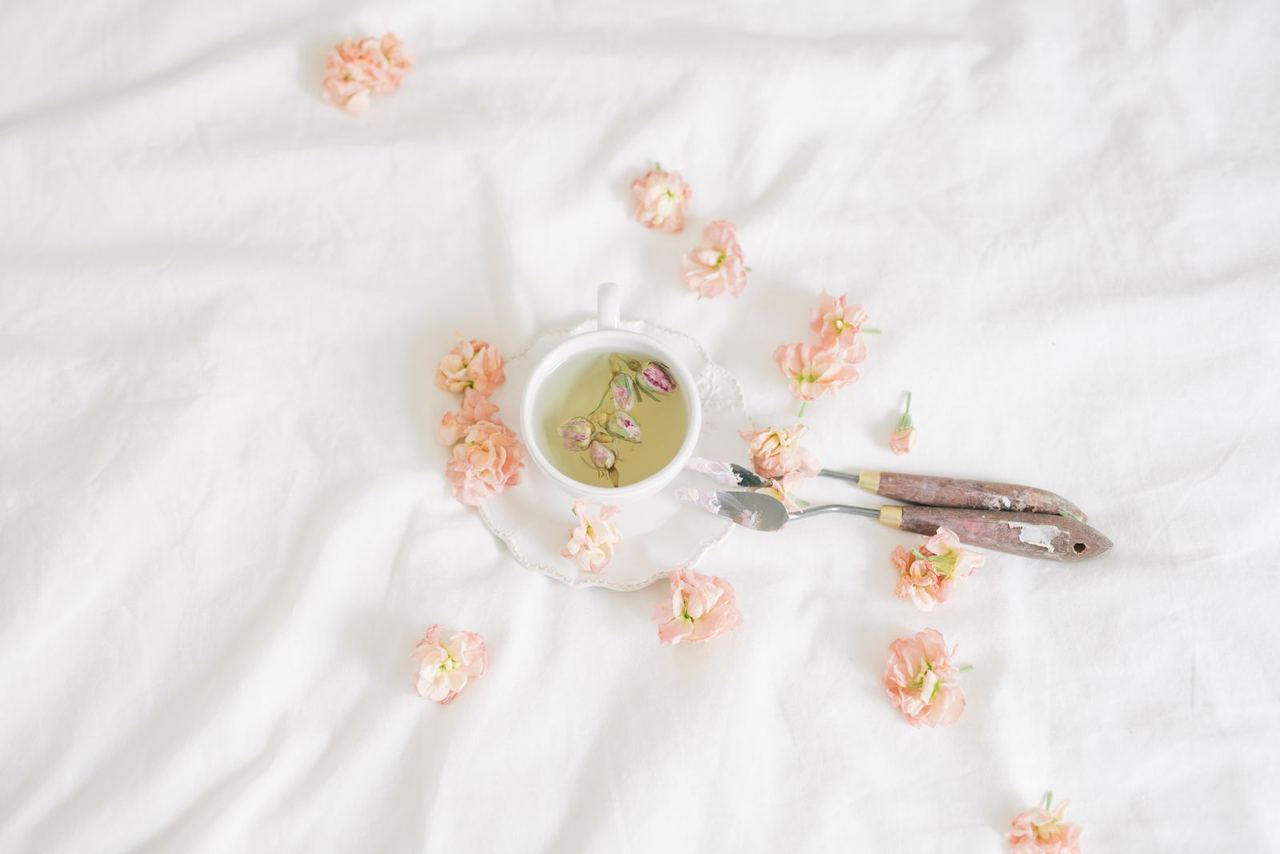
Regular, warm meals matter more this week than any single ingredient — skipping lunch is a reliable way to feel worse by four o'clock. Rose bud and mint tea are traditionally used to "move Qi" and soften a heavy, stuck feeling; our guide to mint shows how to enjoy it. Warming spices come into their own here — ginger and cinnamon, the classic warming pair from our cinnamon story. They are the heart of our Cycle Comfort Blend — a Food As Medicine tea blend of ginger root, cinnamon bark and fennel seed, made for this season of the month: a warm cup to pause with in a slower evening.
Let your tongue fine-tune the plate
The phase sets the rhythm, but your body casts the deciding vote. In TCM, the tongue shows today’s cold-or-heat pattern: pale and swollen points to cold; red with a dry coating points to heat. Before your period, TCM watches the tongue for stagnation and dampness: a thick coating argues for lighter dinners and less sugar this week, and a darker, dusky tongue is the traditional picture of stuck Qi — one more reason the daily walk stays non-negotiable.
New to tongue reading? Our Tongue Talk series teaches the basics — or take a free Luna scan at tongueapp.com for educational insights. Never a diagnosis — always a starting point for paying attention.
Move & rest
Movement is the tool tradition reaches for first in this phase — not punishment workouts, but circulation: a daily walk, stretching that opens the chest and hips; dancing in the kitchen counts. Hard training is fine if it genuinely feels good, but this is the week to let "enough" be enough. Protect your evenings as deliberately as your mornings: dimmer lights, fewer late inputs, and permission to decline the extra thing. Sleep this week is not indulgence; in the TCM picture it is how Qi resets instead of stagnating overnight.
A small ritual for this phase
- Afternoon rose-mint tea. A small pot around 3 p.m., when tension and cravings tend to peak — warmth, aroma, five unhurried minutes.
- The 20-minute walk. After dinner, without the phone. Quite possibly the most reliable Qi-mover in this whole series.
- Lights-down by ten. Screens off, lamp light only, the day closed on purpose rather than by collapse.
A gentle safety note
Tea and walks are gentle tools, and some things deserve more than gentleness. Premenstrual mood symptoms that seriously disrupt your work, relationships or sense of yourself — sometimes a sign of PMDD — deserve real professional support, and asking for it is strength, not failure. The same goes for symptoms that are new, rapidly worsening, or simply unlike your usual pattern: please have them checked rather than only soothed. Everything here is education about a traditional framework, offered to complement — never replace — your healthcare professional's care.
Keep going
Just came from the peak? Revisit Phase 3: Ovulation. The cycle now loops back to where it begins: Phase 1: Menstrual. Curious which phase asks most of you? Take the free quiz, Which Herb Matches Your Menstrual Cycle Needs? And for the full framework, Track 5 of Herbalingo, A Woman's Seasons in TCM, walks the cycle phase by phase — the first lessons are free: explore the courses.
By Ha Nguyen, Founder of WomenLoveHerbs — practising herbal medicine since 2014, licensed TCM practitioner in Vietnam.
Keep learning in Herbalingo 🌱
This post is also a full lesson in our course Cycle Syncing, the TCM Way — with a 15-question quiz to make it stick.
Start the lesson: Before Your Period, the TCM Way: Keep Qi Moving →
Subscribe to our newsletter
Enjoyed this article? Join The WomenLoveHerbs Weekly — one herb, one ritual, one insight every Tuesday, free.