Cinnamon: The Warming Bark in a Woman's Kitchen
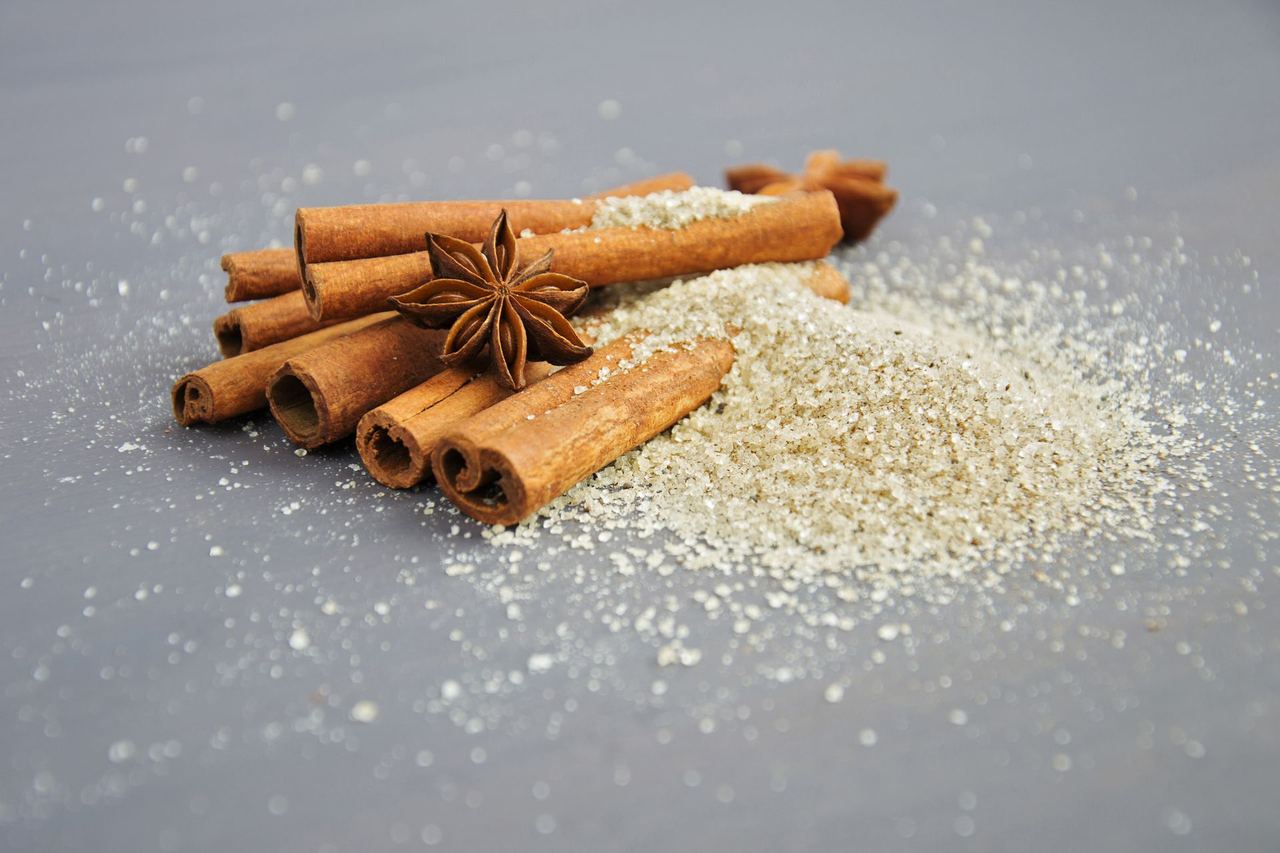
Cinnamon is the smell of warmth itself — in pho broth, in apple pie, in a winter cup of tea. In the Chinese tradition two forms are known: the bark (rou gui) and the young twig (gui zhi), rolled from the cinnamon tree's inner bark into the quills in your spice drawer.
Meet the herb
Most supermarket cinnamon is cassia — thick, hard, strongly flavoured — while Ceylon cinnamon is thinner, crumblier and softer in taste. In TCM language, cinnamon bark is considered hot and sweet-pungent, the classic warming spice of the winter kitchen, traditionally added in small amounts to teas, braises and tonic soups for cold hands, cold weather and cold constitutions.
How tradition uses it
A single stick perfumes a whole pot of pho; a pinch warms congee and stewed pears; and cinnamon joins ginger in countless winter teas. Vietnamese pho is the delicious proof that cinnamon is a food herb first: five-spice and pho broth use it as flavour, in amounts a family eats together — which is exactly the scale tradition intends.
Simple ways to enjoy it
- Winter tea: simmer one small stick with ginger slices and a red date for 10 minutes.
- Breakfast: a pinch over oatmeal, stewed apples or yogurt.
- Braising: half a stick in beef, lamb or mushroom braises.
- Rice: one stick in the rice pot with a star anise for celebration rice.
A gentle safety note
Kitchen amounts of cinnamon are a pleasure, not a problem. The caution is about dose: cassia cinnamon contains coumarin, so large supplemental amounts taken daily are not wise — especially if you are mindful of your liver or take blood-sugar medication. In pregnancy, enjoy cinnamon as a spice in food and skip concentrated supplements unless your healthcare professional advises otherwise.
Subscribe to our newsletter
Enjoyed this article? Join The WomenLoveHerbs Weekly — one herb, one ritual, one insight every Tuesday, free.