Mint: The Cooling Leaf for Heavy Days and Heavy Meals
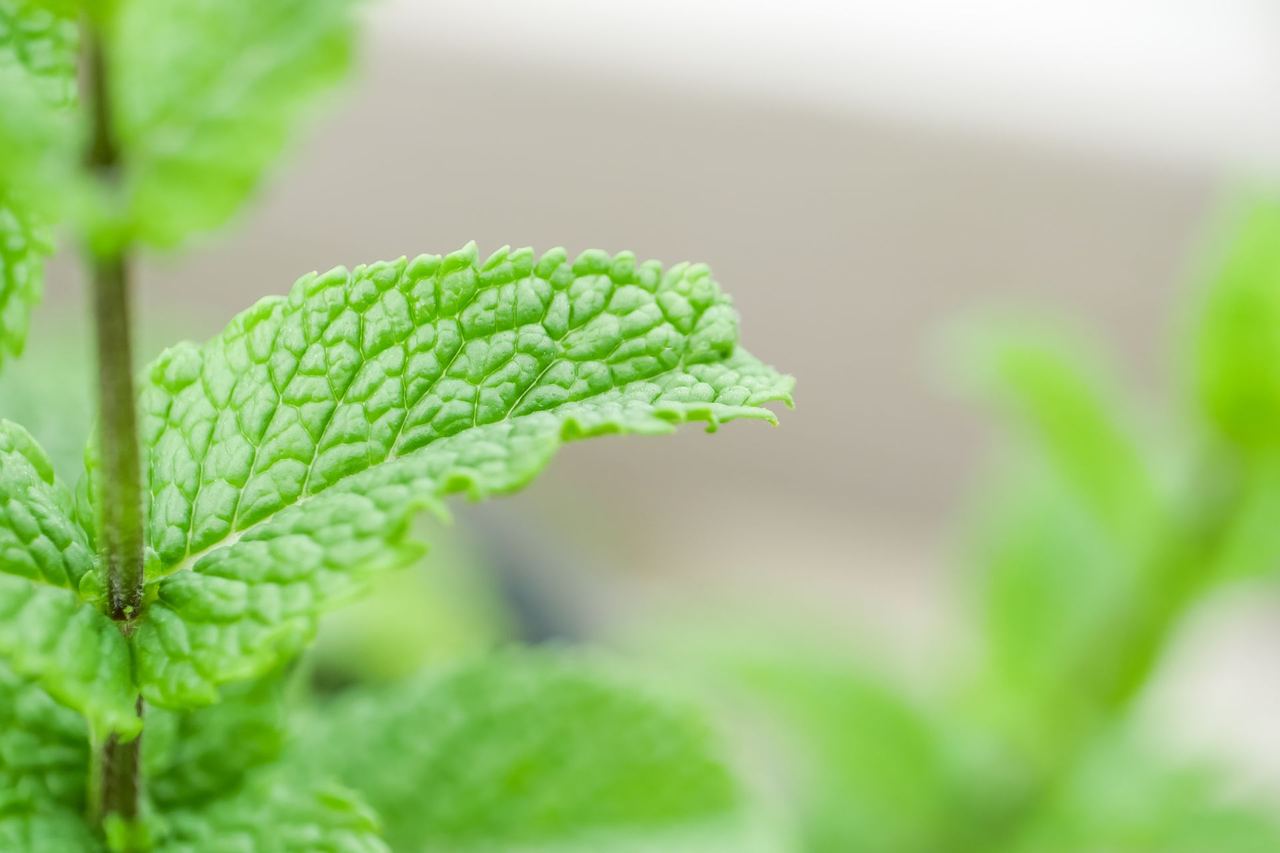
Crush a mint leaf between your fingers and the room changes: bright, green, awake. Mint (Mentha spp.; bo he in TCM) is one of the few herbs that nearly every cuisine on earth claims as its own — and one of the easiest to grow on a Toronto windowsill.
Meet the herb
Fresh mint is mostly water, aroma and menthol's gentle coolness. In TCM language, bo he is considered cool and pungent, traditionally used in light teas and formulas for hot, heavy, stuck feelings — the herb of fresh air. Unlike most herbs in this series, mint is at its best fresh and barely cooked: heat quickly drives off its fragrance.
How tradition uses it
Chinese kitchens add mint late to soups and salads; Vietnamese pho arrives with a forest of fresh herbs including mint; Middle Eastern tabbouleh and Moroccan tea made it famous in the west. The shared wisdom is simple: mint refreshes a rich meal and lifts a heavy afternoon. A pot on the windowsill, picked often, will reward you all summer.
Simple ways to enjoy it
- Fresh tea: pour hot water over a small handful of leaves, steep 5 minutes, add honey and lemon if you like.
- With chrysanthemum: a few mint leaves in flower tea adds a cool top note.
- In food: scatter over salads, noodle soups, spring rolls and fruit.
- Iced water: bruise a sprig into a jug of water with cucumber for the afternoon desk bottle.
A gentle safety note
Culinary mint is one of the gentlest herbs we know. Two small notes: people prone to reflux sometimes find strong peppermint tea makes it worse, so listen to your own body; and concentrated mint essential oil is a different product entirely — this article is about the leaf in your kitchen, not the oil.
Subscribe to our newsletter
Enjoyed this article? Join The WomenLoveHerbs Weekly — one herb, one ritual, one insight every Tuesday, free.