Autumn, 45–55: The Perimenopause Years, Met with Knowledge
Somewhere in your late forties, the rhythm you have known for decades begins to change its tempo. Periods arrive early, then late, then not at all. Sleep lightens. Warmth arrives at odd hours, uninvited. In the Chinese tradition, this passage is sometimes called a “second spring” — a name that refuses to treat this season as an ending. We like that framing, with one honest addition: a second spring still deserves knowledge, not just optimism.
What TCM sees in this season
In TCM language, the years around menopause are when Kidney Yin — the body’s deep, cooling, moistening reserve — gradually grows thinner. When Yin is thin, Yang’s warmth has less to anchor it, and the tradition reads the familiar picture from there: heat that rises at night, sleep that breaks, a mood that swings faster than it used to, dryness where there used to be ease. This is a description, not a diagnosis, and nothing here promises to reverse it. What the tradition offers is a way to eat, move and rest that works with a thinner reserve instead of spending it.
Eat & sip
Autumn eating, in this frame, favours foods the tradition considers nourishing to Yin and quietly rich: black sesame stirred into porridge or warm milky drinks; dark berries and grapes; tofu and eggs; slow-cooked soups. Mulberry — fruit and leaf — has a long traditional place in this season’s kitchen; our story on mulberry explores it. You will also meet rehmannia (di huang) in many classical formulas women encounter in TCM; it is a herb to learn about rather than self-prescribe, and our rehmannia guide explains why. If nights run hot, an evening cup of chrysanthemum tea is a gentle, traditional wind-down — a ritual, not a remedy.
Move & rest
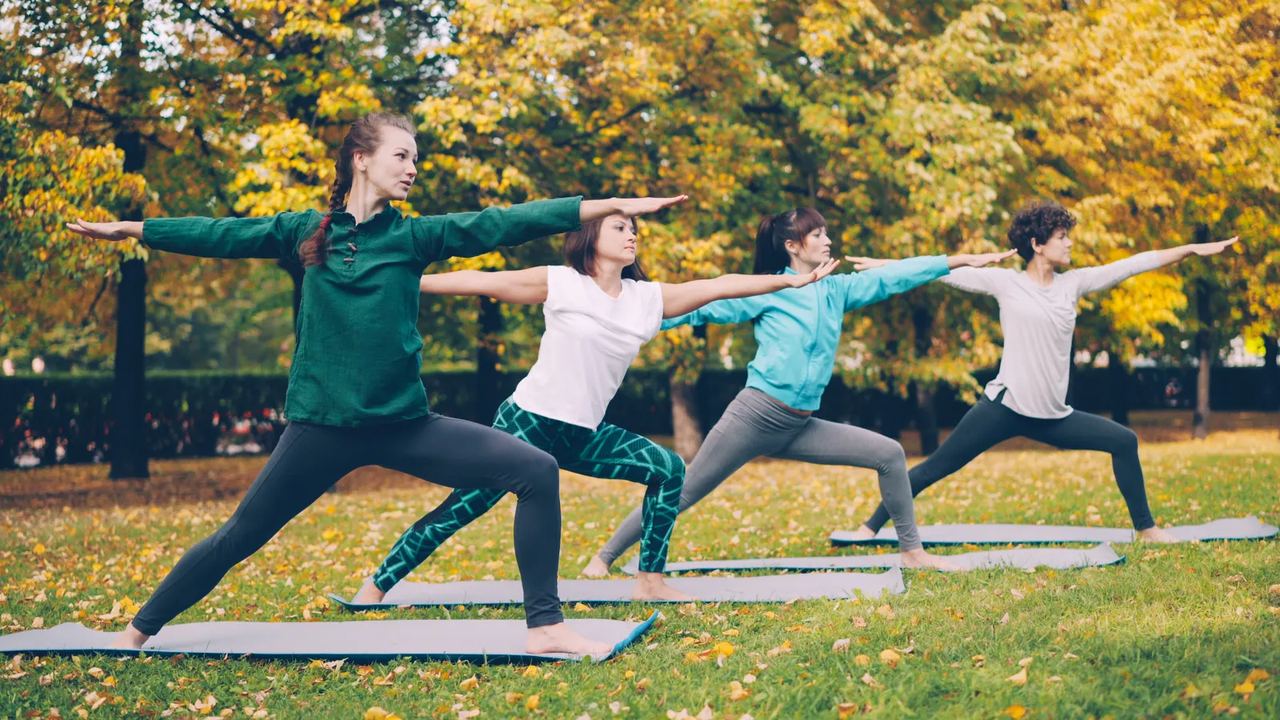
Two kinds of movement matter more now. Strength work — carrying, lifting, resistance training — is how muscle and bone are asked to stay; this is the decade that shapes much of later Winter’s ease. And cooling evening walks after dinner help the day settle, a rhythm many women find kinder to sleep than late, heated workouts. Rest is not surrender in this season; broken sleep is information, and protecting the last hour of the day is a legitimate health practice.
A small ritual for this season
Try an Autumn wind-down hour: lights lower, screens away, a warm shower, then bed dressed in layers you can peel off and pull back as the night warms and cools — layered bedding is a small, practical kindness for night heat. Keep a notebook by the bed and write one line a day: sleep, night heat, mood, cycle. A season of one-line notes becomes real knowledge you can bring to your appointments — patterns, not just impressions.
A gentle safety note
Some signs are never “just the season.” Any bleeding after menopause — defined as twelve months without a period — needs prompt medical care, not tea. Very heavy, flooding periods, bleeding between periods, or pain that is new should be evaluated. And decisions about hormone therapy are medical decisions: they belong in a conversation with your doctor, informed by your own history — not in a blog post, including this one. Herbal tradition here is education and everyday support, never a substitute for that care.
Keep going
Autumn sits between Summer, 35–45 and Winter, 55+ — read the season on either side to see the whole arc. Track 5 of Herbalingo, “A Woman’s Seasons in TCM”, walks all four seasons in depth; the first lessons are free: explore the courses. Or start playfully with our free quiz: What’s Your Herbal Personality?
By Ha Nguyen, Founder of WomenLoveHerbs — practising herbal medicine since 2014, licensed TCM practitioner in Vietnam.
Keep learning in Herbalingo 🌱
This post is also a full lesson in our course A Woman's Seasons in TCM — with a 15-question quiz to make it stick.
Start the lesson: Autumn, 45–55: The Perimenopause Years — Your Second Spring →
Subscribe to our newsletter
Enjoyed this article? Join The WomenLoveHerbs Weekly — one herb, one ritual, one insight every Tuesday, free.