Rehmannia (Di Huang): The Deep, Dark Root of TCM Nourishment
Most kitchen herbs are leaves and flowers. Rehmannia is a root with two personalities: pale and cooling when raw (sheng di huang), and dark, sweet and rich after being steamed and dried again and again (shu di huang). That transformation is one of the great stories of the TCM pantry.
Meet the herb
Rehmannia (Rehmannia glutinosa) grows crinkled leaves and trumpet-shaped flowers, but everything happens underground. Prepared rehmannia — steamed traditionally up to nine times — becomes almost black, sticky and sweet, and in TCM language is classed among the deep nourishing tonics traditionally used in formulas for women at many life stages. Raw rehmannia is considered cooler and is used quite differently, mainly by practitioners.
How tradition uses it
You will meet prepared rehmannia in the four-substance soup (si wu tang) beside dong quai, and in the famous six-ingredient rehmannia family of formulas. Home kitchens use small pieces in slow soups, where its sweetness melts into the broth. The key word is small: shu di huang is rich and cloying by design, and tradition respects that.
Simple ways to enjoy it
- Four-substance style soup: simmer a few small pieces with chicken, dong quai and red dates for 60–90 minutes.
- Sweet soup: a piece or two in a longan and lotus seed dessert soup adds depth.
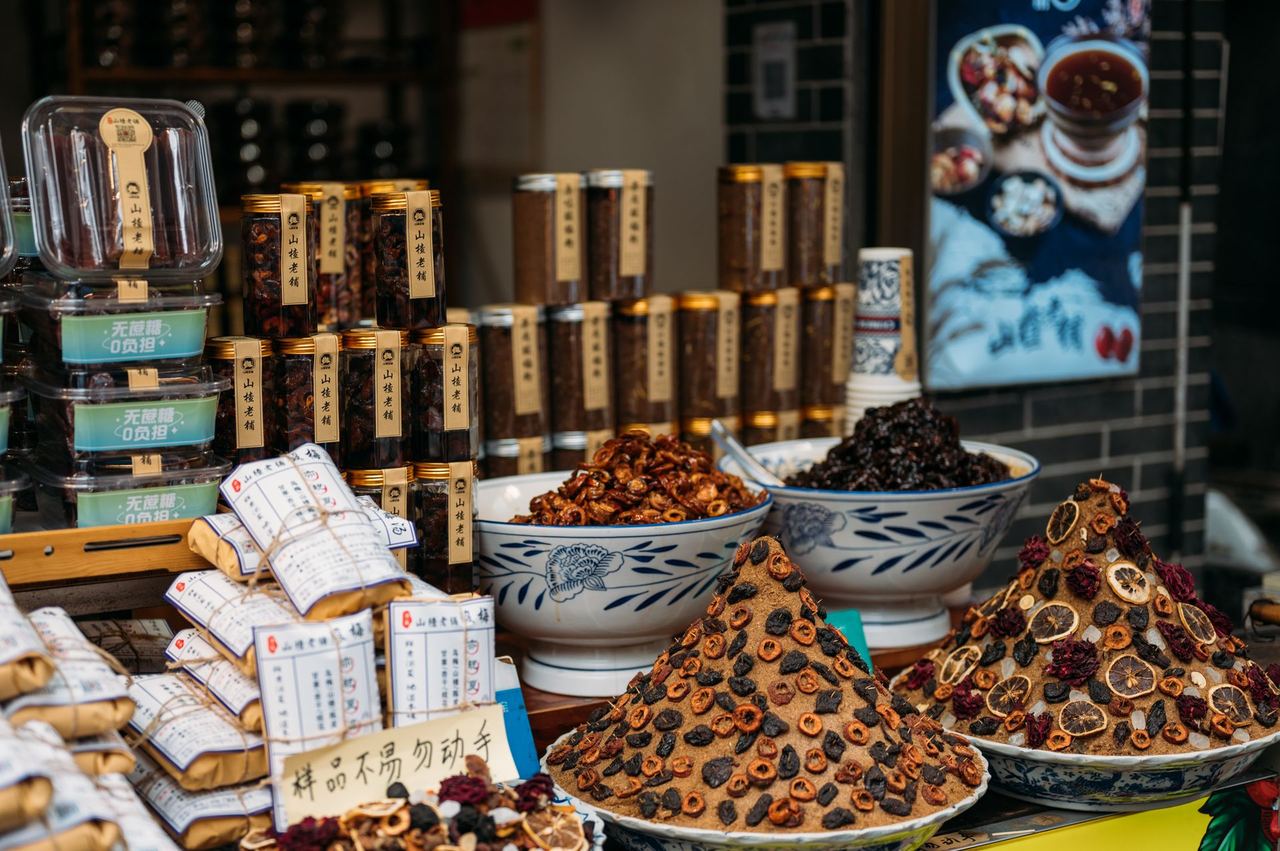
- Buy prepared: for kitchen use, choose shu di huang (prepared), sold as dark glossy pieces.
A gentle safety note
Rehmannia's richness means a little is plenty: too much can feel heavy on digestion and may loosen the stool for some people. It is traditionally a formula herb rather than a daily food. If you take medication — including for blood sugar — or are pregnant, check with your healthcare professional before using it.
Subscribe to our newsletter
Enjoyed this article? Join The WomenLoveHerbs Weekly — one herb, one ritual, one insight every Tuesday, free.