What Is the Cold Pattern?

Your hands are cold in a warm room. Everyone else is fine in one sweater; you are reaching for a second one, and for a hot drink. In TCM, that familiar cluster of signs has a name — and learning its name is the first step to reading your own body.
A pattern, not a disease. In TCM, a "pattern" is a cluster of signs that tend to appear together — a way of describing how a body is behaving, not the name of a disease and never a diagnosis. The Cold pattern, Hàn, gathers around one simple theme: not enough warmth where it is needed, so the body's functions slow down and draw inward, the way a garden does in winter.
The everyday signs. Cold hands and feet, even indoors. Feeling worse in cold weather and better with warmth. Reaching for warm drinks and extra layers. A cold feeling in the belly or the lower back. Urine that runs clear and plentiful, and stools that loosen after cold or raw food — a winter salad, ice cream, a smoothie. One sign alone means little; TCM reads the cluster, repeated over weeks.
What tends to contribute. In traditional thinking, cold deepens cold: living and working in cold, damp places; iced drinks, raw salads and cold leftovers eaten straight from the fridge; too little sleep and long overwork, which spend the body's reserves of warmth; and winter itself. None of these is a verdict — they are the background a practitioner asks about.
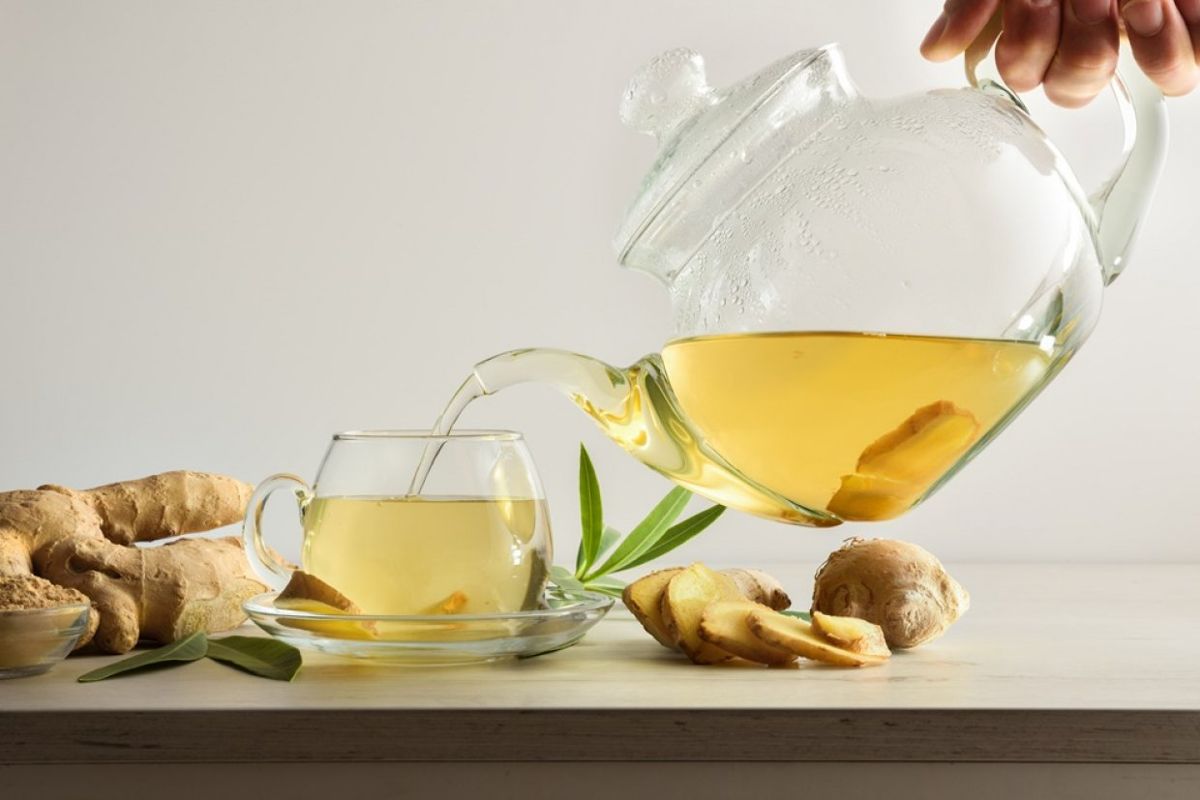
Gentle everyday support. Traditionally, a cold-pattern body is cared for by adding warmth at the level of daily habit: warm cooked breakfasts, soups and stews, warm drinks through the day, layers that keep the lower back and feet covered, and rest that is actually restful. This is the spirit of Food As Medicine — the kitchen as the first place balance is practised. The warming herbs traditionally studied with this pattern — fresh ginger, dried ginger and fennel seed — each have their own lesson in the herb track.
Where this pattern goes next. A pattern you can feel, you can also see: the Cold pattern has a characteristic look on the tongue, which is exactly where Tongue Talk takes you next. Then the herb lessons introduce its warming herbs, one by one.
🛡️ Safety first
This lesson teaches a traditional pattern for learning only — it is not a diagnosis, and a quiz result is not one either. Feeling cold all the time can have ordinary medical causes, including thyroid problems and anaemia, so persistent coldness, exhaustion or numbness deserve a clinician's workup. Warming herbs and strong ginger preparations can interact with blood-thinning medication — food amounts are one thing; concentrated products are a question for your clinician or pharmacist.
🎯 Try it
For three days, keep a tiny warmth diary: note when your hands and feet feel coldest, what you ate and drank just before (iced? raw? warm and cooked?), and one thing that genuinely warmed you. You are learning to read a cluster — the same skill this whole track is built on.
✏️ Quick quiz
WomenLoveHerbs is education only. Nothing here diagnoses, treats, or cures any condition, or replaces your healthcare professional.