
Nourish Your Body with Herbs: Harnessing the Power of Nature's Bounty
In a world where processed foods and synthetic supplements dominate the market, the significance of incorporating natural and wholesome ingredients into our diets cannot be overstated. Herbs, often overlooked in the realm of nutrition, are not only flavorful additions to our meals but also powerful sources of essential nutrients and medicinal properties. In this article, we delve into the dual role of herbs as both food and medicine, exploring the nutritional benefits of specific herbs like Cinnamon, Turmeric, Holy Basil, Cayenne Pepper, Garlic, Ginger and Black Pepper.
Herbs are Food
The ancient saying, "Let food be thy medicine and medicine be thy food," attributed to Hippocrates, underscores the fundamental concept that what we consume directly impacts our health. Herbs, as culinary ingredients, contribute not only to the taste but also to the nutritional value of our meals.
Cinnamon
Cinnamon, known for its warm and comforting flavor, is a versatile herb that can be easily incorporated into various dishes.
Turmeric
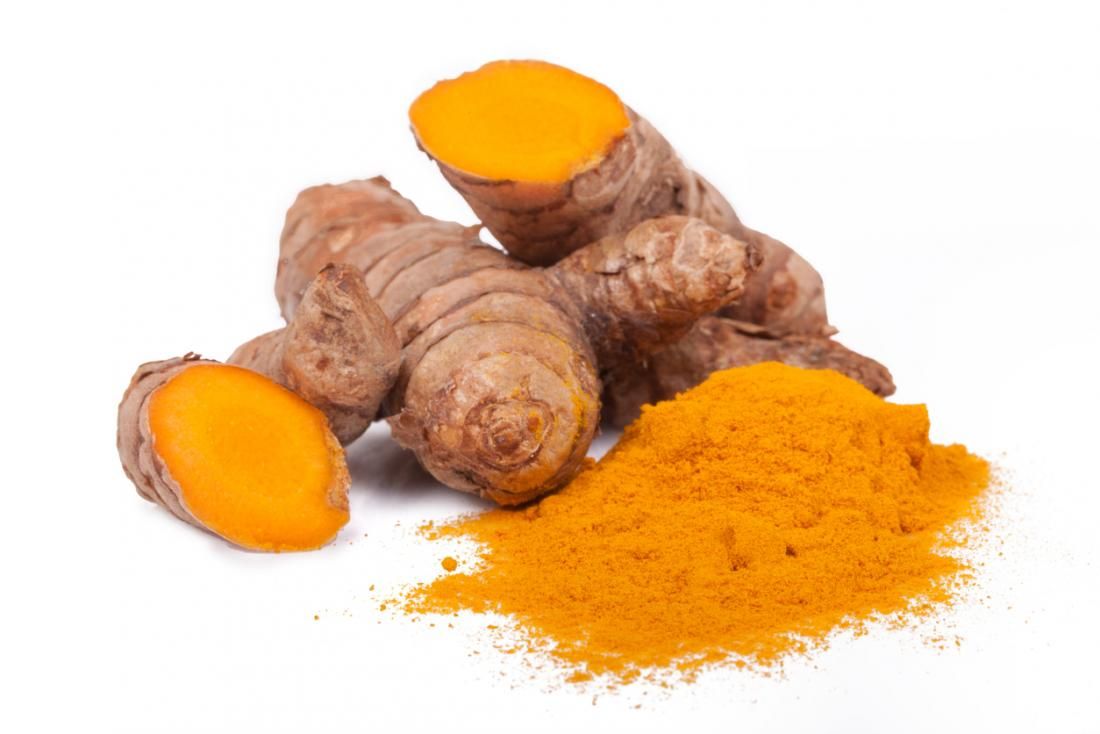
Renowned for its vibrant yellow hue, turmeric has long been used in traditional medicine for its anti-inflammatory properties. Including turmeric in your diet can enhance the flavor of dishes while providing a nutritional boost.
Holy Basil
Holy Basil, or Tulsi, is revered in Ayurveda for its adaptogenic properties, helping the body cope with stress. Rich in essential oils and antioxidants, Holy Basil contributes not only to the flavor of meals but also to the overall well-being of individuals seeking a holistic approach to health.
Ginger
Versatile and aromatic, ginger adds a zing to dishes and is a valuable addition to your culinary and wellness repertoire.
Herbs are Medicine
Beyond their role as culinary delights, herbs have been used for centuries as potent remedies in traditional medicine systems across the globe. The therapeutic properties of herbs make them indispensable in maintaining and restoring health.
Cayenne Pepper
Cayenne pepper, with its fiery heat, contains capsaicin, a compound known for its analgesic and anti-inflammatory effects.
Garlic
Garlic, a staple in many cuisines, is not only a flavorful addition to dishes but also a powerhouse of health benefits.
Black Pepper
Black pepper, often taken for granted as a simple table condiment, contains piperine, a compound that enhances the bioavailability of other nutrients. This small but mighty herb can amplify the benefits of various foods and supplements, making it a valuable addition to any diet.
In embracing the dual nature of herbs as both food and medicine, we unlock the potential to nourish our bodies from within. By incorporating herbs like Cinnamon, Turmeric, Holy Basil, Cayenne Pepper, Garlic, Ginger, and Black Pepper into our daily meals, we not only enhance the flavor of our dishes but also tap into the incredible health benefits that nature has to offer. Let us embark on a journey to nourish our bodies with the richness of herbs, savoring the synergy of taste and well-being that these remarkable plants provide.
Subscribe to our newsletter
Enjoyed this article? Join The WomenLoveHerbs Weekly — one herb, one ritual, one insight every Tuesday, free.