Lotus Seeds: A Gentle Bowl for the Evening Table
End a family dinner in Vietnam or southern China and a small bowl often appears: clear sweet soup, pale round seeds, longan like amber beads. The seeds are lotus seeds (lian zi) — the quiet heart of the lotus pod, and one of the gentlest food-herbs in the Asian pantry.
Meet the herb
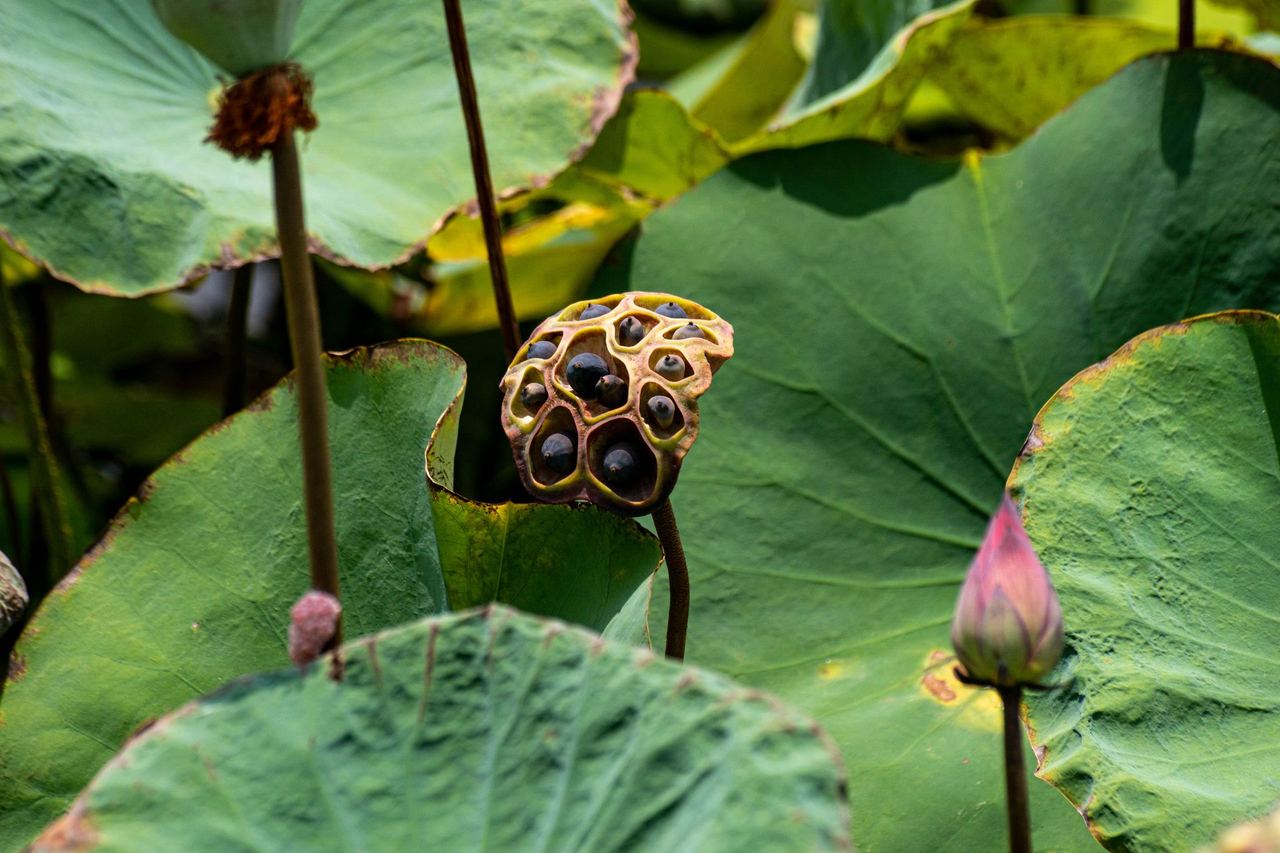
Lotus seeds are harvested from the shower-head pods of Nelumbo nucifera, then dried to a creamy white. They are a natural source of plant protein, potassium and B vitamins, with a mild, chestnut-like flavour. In TCM language, lotus seed is considered neutral and sweet-astringent, traditionally treasured in evening soups and congee for the whole family, grandparents included.
How tradition uses it
The classic bowl is lotus seed and longan sweet soup, sometimes with jujube or lily bulb; savoury kitchens add the seeds to chicken soup and congee, where they soften into something between a bean and a chestnut. Inside each dried seed hides a tiny green plumule — bitter and, in tradition, the "cooling" part; many home cooks remove it for a milder bowl, while herbal shops sell it separately as a tea in its own right.
Simple ways to enjoy it
- Sweet soup: simmer 30 g soaked seeds with longan and a few red dates for 30 minutes; sweeten lightly.
- Congee: add a small handful to rice congee for the last 30 minutes.
- Chicken soup: seeds plus goji in the final half hour make a gentle family pot.
- Prep tip: soak dried seeds 2–3 hours (or overnight) so they cook evenly.
A gentle safety note
Lotus seed is a true food with very few cautions. Traditional advice suggests moderation if you are often constipated, as the seed is mildly astringent. Buy seeds that are creamy and unbroken, store them dry, and — as with every herb in this series — check with your healthcare professional if you plan to use it daily while pregnant or on medication.
Subscribe to our newsletter
Enjoyed this article? Join The WomenLoveHerbs Weekly — one herb, one ritual, one insight every Tuesday, free.