Licorice Root (Gan Cao): The Sweet Harmoniser — Handle with Respect
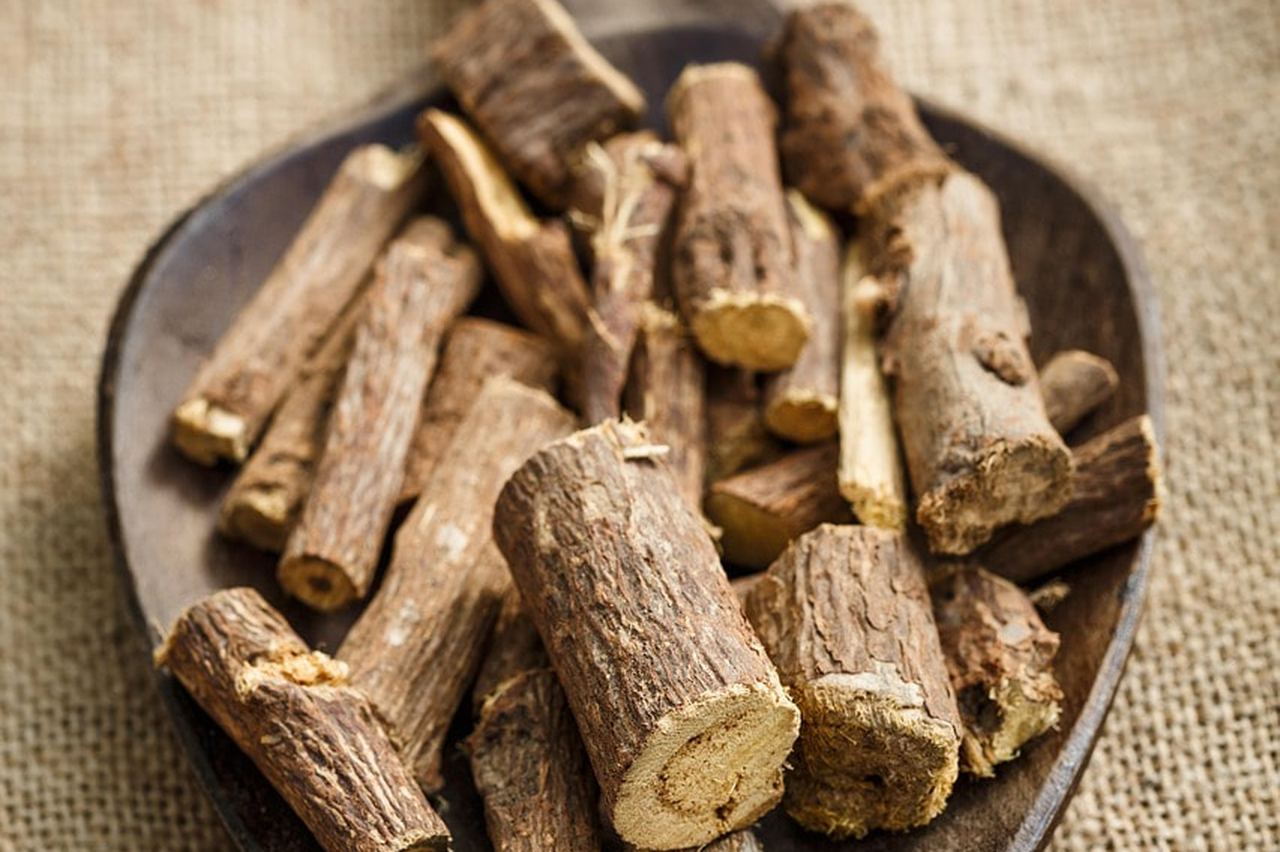
Licorice root is astonishingly sweet — many times sweeter than sugar — and traditional herbalists have used that sweetness as a peacemaker for over two thousand years. In TCM, gan cao (Glycyrrhiza uralensis) appears in more classic formulas than almost any other herb, added in small amounts to harmonise the team.
Meet the herb
The dried root is golden-brown and fibrous. Its sweetness comes from glycyrrhizin, a compound modern science has studied closely — which is also why licorice is the herb in this series we flag most carefully. In TCM language it is considered neutral and sweet, traditionally used to round out formulas and soothe with its gentle flavour.
How tradition uses it
Think of licorice as a supporting actor, never the star. A small slice or two joins a pot of herbal tea to soften bitterness; it flavours traditional throat sweets and plum drinks; and in formula design it is the diplomat that helps stronger herbs work together. Kitchen amounts are small — a few thin slices, not a handful.
Simple ways to enjoy it
- In a blend: add 1–2 thin slices to a pot of chrysanthemum or mint tea to smooth the flavour.
- Sour plum drink: simmer with dried plums and hawthorn for the traditional summer cooler.
- Cooking: one small piece in a braising liquid adds background sweetness.
A gentle safety note
Please take this one seriously: regular or large amounts of licorice can raise blood pressure and lower potassium, and it interacts with several medicines, including blood-pressure tablets, diuretics and some heart medicines. Licorice should be avoided during pregnancy except under professional care. Enjoy it as an occasional pinch in a blend — not as a daily tea — and check with your healthcare professional if you take any regular medication.
Subscribe to our newsletter
Enjoyed this article? Join The WomenLoveHerbs Weekly — one herb, one ritual, one insight every Tuesday, free.