Herbs Traditionally Used to Support Kidney Health for Women
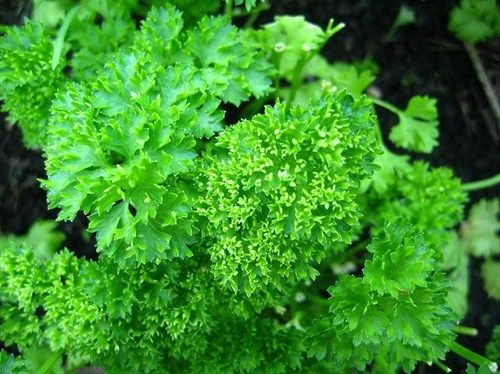
Parsley
Parsley is traditionally known as a natural diuretic herb, valued for supporting the body's normal elimination of fluids, thanks to two useful compounds, apiol and myristicin. In one published study, rats given parsley seed extract produced more urine over 24 hours than rats that were not.
Parsley tea is a traditional way to enjoy it: pour a cup of boiling water over 1 tablespoon of crushed fresh parsley, cover for 5 minutes, then strain and drink. A traditional parsley drink can also be made by blending 1/4 cup of parsley juice with 1/2 cup of water, a little honey and lemon juice. Parsley is also easy to add to salads and everyday dishes.
Dandelion Root
According to a study published in 2009, dandelion root acts in a similar way to a diuretic, increasing urine output and supporting the kidneys and liver. It is also traditionally used to ease water retention and soothe irritation in the urinary system.
To make dandelion root tea: simmer 2 teaspoons of dried root in a cup of water, then turn off the heat, cover, and steep for about 10 minutes. Strain, add a little honey, and drink as tea. It can also be brewed from a tea bag like regular tea. Note: dandelion can interact with some medications, so check with your doctor if you take prescription medicine.
Marshmallow
Marshmallow (Althaea officinalis) has diuretic properties and is traditionally used to encourage healthy urine flow and support kidney health. To make marshmallow tea: pour hot water over 1 tablespoon of dried marshmallow root and leaves, cover for 8–10 minutes, then strain and drink.
Marshmallow is a herb found widely in Africa, with short round leaves and small pale flowers. It was first used in Egyptian medicine, later adopted by the French, and is now commonly used as a herbal remedy. Caution: marshmallow is not recommended if you are pregnant, breastfeeding, or living with diabetes.
Ginger
Ginger is both a spice and a traditional herb, long valued for supporting digestion and overall cleansing in traditional practice. The easiest way to enjoy it is as a warm ginger tea, or simply as a daily spice in cooking.
To make ginger tea: simmer 2 teaspoons of thinly sliced fresh ginger in about 2 cups of water for 10 minutes. Strain, add honey and lemon to taste, and drink 2–3 times a day.
Turmeric
Like ginger, turmeric is a food and a traditional herb, well known in traditional systems for supporting the body's natural detoxification processes. A traditional drink mixes 1 teaspoon of fresh turmeric juice with the juice of half or a whole lemon, a pinch of cayenne pepper and honey in warm water.
Another way: simmer 1/2 teaspoon each of turmeric powder and dry ginger powder in 2 cups of water for 10 minutes, strain, and add the juice of half a lemon and 1 tablespoon of honey or syrup. Turmeric can also simply be used daily as a spice in meals.
Celery
Celery is a natural diuretic in traditional use, and contains essential nutrients that support the kidneys in doing their normal work.
A simple tradition is a glass of celery juice, or a blended juice made with 2 stalks of celery, 1/2 cup of fresh parsley, 1 carrot and 1 cucumber.
Nettle
To use nettle as a tea: steep 2 teaspoons of fresh or dried nettle in a cup of hot water for about 10 minutes, strain, add a little honey, and drink twice a day. Caution: nettle can interfere with blood-thinning medication, blood-pressure medication, diuretics and diabetes medication, so consult your doctor before using it.
Horsetail
Horsetail is a well-known beauty herb, used to support firm skin in anti-aging products. It is also a popular traditional diuretic herb with a high antioxidant content, which is why horsetail tea is often called a 'detox tea'.
To make horsetail tea: add 1–3 teaspoons of fresh or dried horsetail to a cup of boiling water, steep 5–10 minutes, then strain and drink.
Uva Ursi (Bearberry)
Uva ursi is a traditional diuretic herb used to support kidney and urinary health.
Its main useful components are phenolic glycosides, called arbutin, which have a diuretic effect. Uva ursi can be taken as a herbal tea or in supplement form, and works best alongside a sensible diet.
Corn Silk
Corn silk can be used fresh or dried: boil it in water for 10–15 minutes, then strain well and drink the liquid as a tea 2–3 times a day. The water from boiling corn on the cob with its silk can also be cooled and drunk as a refreshing drink. Caution: corn silk water can also interact with some medications, so consult your doctor if you are taking prescription medicine.
Subscribe to our newsletter
Enjoyed this article? Join The WomenLoveHerbs Weekly — one herb, one ritual, one insight every Tuesday, free.