
Astragalus (Huang Qi): The Steady Root of the TCM Kitchen
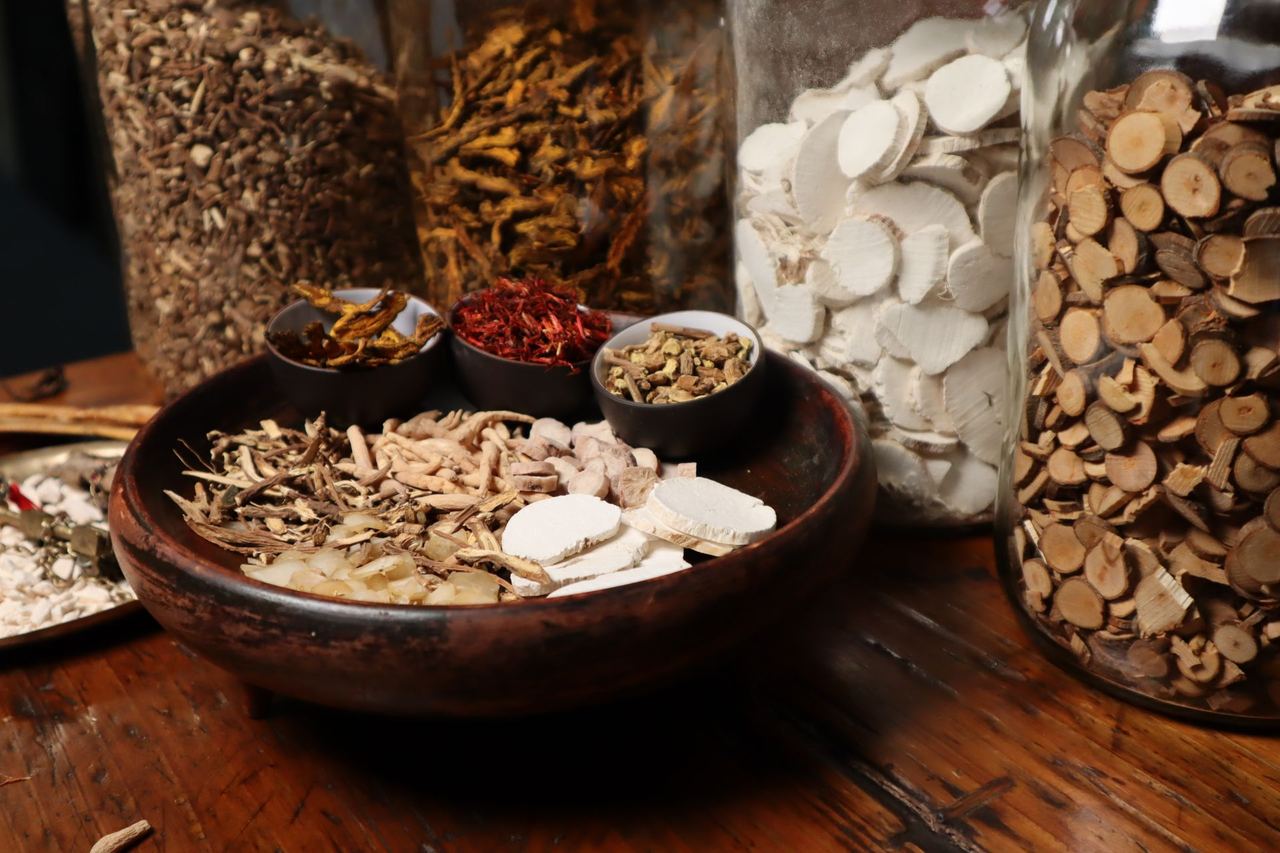
Astragalus rarely gets a photograph — it looks like pale tongue depressors in a paper bag. But ask a TCM cook which root she trusts for the family soup pot, and huang qi (Astragalus membranaceus) is near the top of the list.
Meet the herb
The dried root is sliced into thin, fibrous pieces with a faintly sweet, earthy taste. In TCM language, astragalus is considered warm and sweet, a classic qi tonic — traditionally used in cooking and formulas intended to support steady everyday energy and resilience through the changing seasons. Modern research has studied its polysaccharides and saponins with interest, though food-level use remains a kitchen tradition rather than a proven treatment.
How tradition uses it
Astragalus is a soup herb first. Slices go into chicken soup with jujube and ginger, into congee, and into the famous family tonic pots of northern China. One traditional rule is worth knowing: because it is a tonic for steady times, traditional practice often pauses strong tonic herbs during an acute cold or flu and returns to them in recovery and calm seasons.
Simple ways to enjoy it
- Family soup: simmer 3–5 slices in chicken or mushroom soup for 40–60 minutes; remove the woody slices before serving.
- Tonic tea: simmer 2–3 slices with 3 red dates for 20 minutes for a gently sweet drink.
- Congee: add 2 slices to the pot and fish them out at the end.
A gentle safety note
Astragalus interacts with immune-suppressing medicines and is not a casual choice for anyone with an autoimmune condition or an organ transplant. If that is you — or you take regular medication — speak with your healthcare professional before using it beyond an occasional soup. During pregnancy, get professional guidance first.
Subscribe to our newsletter
Enjoyed this article? Join The WomenLoveHerbs Weekly — one herb, one ritual, one insight every Tuesday, free.